One of the things I like best about SSP is finding out about interesting downballot races that would otherwise escape my notice. So in that spirit, I’ve put together a massively comprehensive guide to the state races in Kansas in 2010.
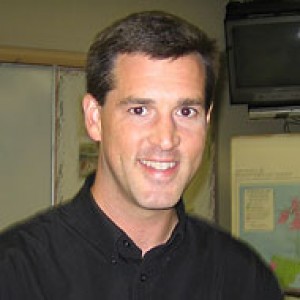 Wherefore art thou, Sean Tevis, oh star of the 2008 KS State House races?
While Kansas isn’t exactly high on anyone’s radar for this election cycle, there are plenty of competitive races (KS-03 & KS-04, plus nearly all the statewide offices this year) throughout the state. Join me, won’t you, for a look at what’s happening downballot in the Kansas state Legislature?
But before we get into an analysis of the various districts in play this cycle, there are a few things to keep in mind…one is that this diary wasn’t meant to be published so soon. It was also way too long, so I was going to publish it in parts, but I hadn’t decided on what those parts were. Apparently, I’ll be doing it in thirds, since I just did seats 1-40, the competitive ones, at any rate.
In 2010, only Kansas House of Representatives seats are up, with the exception of …
STATE SENATE:
KS-StSen-07: Moderate state Sen. David Wysong resigned, leading Republicans to choose state Rep. Terrie Huntington as his replacement. With a fairly moderate profile, she must now fend off challenges from the left and right in the only Senate seat being contested this cycle (the full Senate, including this seat, is up in 2012). Republican David Harvey is coming at her from the right, but she survived (barely) with 54% in the primary. Democrat Wayne E. Hodges awaits in the general. Possessing a master’s in public administration, Hodges is an adjunct professor at Park University and a sometime writer/reporter. We could do a lot worse, although Hodges starts at a distinct disadvantage over a battle-tested moderate Republican. Hodges bio
In 2004, Wysong won with 56% of the vote, and was re-elected with 54% in 2008. So it’s not a totally unwinnable district. If Hodges can’t win it in 2010, I’m betting state Rep. Mike Slattery (KS-HR-24) might try to move up in 2012. Of course, even if Hodges wins, Republicans will still dominate the upper chamber 30-10. Rating: Likely Republican
With that little appetizer out of the way, let’s get to the main course of this feast of local political analysis…
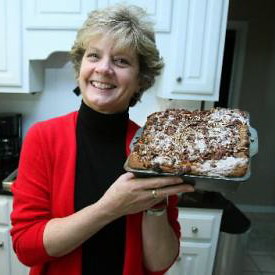 Democratic nominee Stephene Moore wields the power of delicious baked goods in her quest for KS-03.
KANSAS HOUSE OF REPRESENTATIVES – 125 seats
Current composition: 76 Republicans, 49 Democrats (or about 61%-39%)
HOW TO READ THE COMPETITIVE SEAT LISTINGS:
KS-HR-# <—this is the district’s number
43.5R/27D/28.6U <—this is the voter affiliation breakdown, R is Republican, D is for Democrat, and U is unaffiliated voters. Statewide, as of June 2010, the state’s registration numbers were 43.5% Republican, 27.2% Democrat, and 28.6% Unaffiliated. Out of the roughly 1.7 million registered voters, there are also about 10,000 registered Libertarians, along with 1,169 members of the Reform Party. Also, unless the tenth of a percent is a 4, 5 or 6, I rounded to the nearest full percentage point in most cases.
District Map <—-this is the official map from the Legislature’s website KSLegislature.org.
MAIN SOURCES:
Candidate Guide + District PVIs from Capitol Strategies LLC [pdf]
Guide to every KS House seat’s past voting from OurCampaigns.com
Candidate Fundraising from Ethics.ks.gov
Before we start, I’d meant to put something in about how off-year elections are actually the better ones for KS Democrats. A smaller electorate is generally a more moderate and better-informed one in Kansas. Sure, the teabaggers may be out in force, but that’s nothing new in Kansas. And Democrats, as you’ll see, have a lot of competitive candidates up and down the ballot, not only Stephene Moore & Raj Goyle for Congress, not only the best statewide slate we’ve had in a long while (Holland, Kultala, Six, McKinney & Biggs), but even in many state legislative races, Democrats are now fielding pretty solid candidates who can compete and possibly win. So below, find the first chunk of contested districts, all the ones I’ve ranked as competitive that number between 1 & 40.
Among these, there are some that are either totally safe (thanks to PVI heavily favoring one party) or uncontested completely. In districts 1-40, those seats are:
Uncontested Democrats: 05, 08, 32, 33, 34, 37
Safe Dem: 01, 02, 03, 31, 35, 36
Uncontested or intraparty-only Republicans: 06, 07, 09, 11, 13 26, 27, 30
Safe Republican: 12, 21
Geographically, seats 1-40 are centered on the eastern edge of the state, hence the seemingly high quantity of competitive seats. (generally speaking, KS gets more conservative as you go West). Most of the competitive ones below are in suburban Johnson County, which has been going from rosy red to quite purple rather quickly. The exceptions in competitive seats in 1-40 are the rural, Fort Scott-based 4th, the 10th, which takes in the suburban/exurban/rural areas south of Lawrence, and the Fort Leavenworth-based 40th. The two Fort districts border Missouri, and Lawrence is just one county over from the state line (via Johnson or Wyandotte, aka-the Dot) from the state line.
COMPETITIVE SEAT LISTINGS:
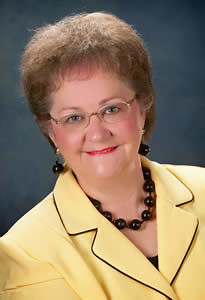 KS-HR-04: 46R/27.4D/26U : District Map : (D) Shirley Palmer (good name, good pic at left) defeated incumbent Lynne Oharah (a man, surprisingly) in 2006 in this Fort Scott-centric district with 51.3% of the vote and won again in 2008 with 53% in a rematch. This year, she’ll face a new opponent in Caryn Tyson, whose father-in-law was a local state Senator and a woman with deep local ties. Tyson’s website, at least, is a careful balance–conservative but not too conservative. She’ll be a tough opponent, but Palmer’s been a solid representative, has excellent education credentials and her local ties are just as strong. Rating: Lean Democrat
KS-HR-10: 37R/29D/33U : District Map : (D) Tony Brown – Brown will face off against Terri Lois Gregory, who’s coming off a strong primary victory. Frankly, Gregory is a rather creepy lady staffer for state Rep. Mike Kiegerl (KS-HR-43) and a fairly hardcore conservative. Brown was elected in 2008 with just 49% of the vote (a Libertarian took 5% and the Republican got 45%). Interestingly, this is Dem gubernatorial nominee Tom Holland’s old legislative district, which I would expect to yield a big enough boost for Brown that he’ll pass the 50% mark this time, in addition to the sophomore swing and going up against a hardcore right-winger. Rating: Lean Democrat
KS-HR-14: 43R/25D/31U : District Map : (R) Incumbent Lance Kinzer faces off against Elliott Lahn, a city planner for nearby Merriam. Kinzer’s gotten around 60% in his previous races, but Lahn’s got a good website, raised some money, and has snagged a few endorsements. Kinzer doesn’t have quite the conservative stink of other members of the JoCo delegation, but he also hasn’t faced very many competitive opponents. Rating: Lean Republican
 KS-HR-15: 43R/24D/32U : District Map : (R) Arlen Siegfreid – Archconservative Siegfreid, now Speaker Pro Tem (2nd in command of KS House Republicans), has essentially become too conservative for this district, which was once staunchly conservative. In 2002, Siegfried won the newly-formed seat with 60% of the vote, but it has blued rapidly, with Siegfried’s vote share declining steadily to a narrow 52-48% victory over Sean Tevis in 2008 (McCain got 60% here). If Sean Tevis were running here again, I’d rate it a Tossup, but I’m doubting the website-less and rather invisible Wright will do as well as Tevis. Look for Siegfried to use his influence to draw himself a redder seat after redistricting, or perhaps one in the state Senate. Rating: Likely Republican
KS-HR-16: 46R/25D/28U : District Map : (D) Gene Rardin – Elected in 2006 by a hair after the moderate Republican incumbent went down in the primary, Rardin has survived two very close calls with less than 51% of the vote. This cycle, Rardin again faces a very conservative opponent in teabagger Amanda Grosserode, which should allow him to squeak to another term, despite representing one of the most heavily Republican districts in the county. Rating: Tossup
 KS-HR-17: 46.5R/24D/28.5U : District Map : (Open/R) Jill Quigley – The moderate Quigley faced a primary against teabagger Kelly Meigs as she tried to win her second full term after being appointed in 2007, but Meigs won 53-47 amid a decent turnout (for a primary). A moderate Republican can easily hold this seat–Quigley nabbed about 62% in her first try against modest opposition–but an anti-school teabagger would be considered a prime target. Waiting to swoop in and pick up the seat is Democrat Bryan Cox….now here’s where it gets interesting. Conservative blogs KansasProgress.com (intentional irony alert!) and KawandBorder.net are reporting that Cox is considering stepping aside and letting Quigley have his place on the ballot. She’d switch parties, of course, and run as a Democrat. Also, the $16k left in her campaign account would become useable again, an upgrade on Cox’s $200 haul. Why would Cox step aside? Well, he might if he’s the Bryan Cox that’s a high-level Democratic Party operative who’s now running Lisa Johnston’s Senate campaign and was recently (still?) the Riley County Field Coordinator. Once Cox bails, the 8 local precinct committee(wo)men choose a replacement–perhaps now-Democrat Jill Quigley? Stay tuned folks, because if Quigley switches sides, this will instantly become one of the hottest races around and a great pickup opportunity.
Rating: Tossup, for the sheer insanity of it all…. it’s Lean D with Quigley as a D, Lean or Likely Republican if it’s Meigs Vs. Cox
KS-HR-18: 44.6R/27D/27.8U : District Map : (D) Cindy Neighbor – Interesting career. First elected in 2002 to this seat as a moderate Republican, she lost the Republican primary in 2004, then returned to win the seat as a Democrat in 2006 with less than 50% of the vote, and got re-elected in 2008 with 52.5% of the vote against Republican John Rubin, an Army JAG officer who is back again in 2010. Rating: Lean Democrat
KS-HR-19: 43.6R/25.3D/30.5U : District Map : (D) Dolores Furtado – A former Johnson County Commissioner, she won this seat in 2008 with 51% of the vote, and faces a strong challenge from Jim Denning, the CEO of Discover Vision Centers, who won his primary with a convincing 77%. But Furtado’s a tough old bird and she’s not going down without a fight. Rating: Tossup
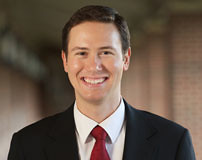 KS-HR-20: 49R/24D/27U : District Map : (Open/R/Kevin Yoder) – The district where I was raised for 15 years. A swingier-than-it-looks surburban Overland Park seat whose Republicans are heavily moderate, being vacated by former moderate Kevin Yoder. Yoder protege Rob Bruchman won a stunning 70% victory in the primary against Stephanie Sawyer Clayton, who, despite Yoder’s supposed moderate reputation, ran to Bruchman’s left, favoring opening up liquor sales, keeping abortion legal, and not hating immigrants. With Bruchman squarely in the conservative camp, Dems do have a chance, especially because the candidate for the Ds is Rob McKnight, apparently (I couldn’t confirm this) a former GOP consultant turned Democrat and longtime local resident. He’s been a good fundraiser (including some notable local moderate Republican names) and scoring good endorsements, as well. McKnight is actively campaigning and has a website that, smartly, appeals to a sense of neighborliness against the carpetbagging Bruchman: Kansas20.org. Rating: Lean Republican
KS-HR-22: 34.6R/32D/32.5U : District Map : (D) Lisa Benlon – Another former Republican state representative, Benlon returned to politics in 2008 as a Democrat, winning 53% to succeed Democrat Sue Storm, who rose to a seat on the state Board of Education. Benlon did draw a fairly strong opponent in Greg Smith, the father of the late Kelsey Smith. Still, the district’s blue tint, and Smith’s super-conservative profile, should be enough to save Benlon. Rating: Lean Democrat
KS-HR-23: 33.5R/32.2D/33.5U : District Map : (D) Milack Talia – After running twice before (once for a different state rep seat, the 29th), Talia captured 56% of the vote in his 2008 race. Helpfully for his electoral chances, he’ll defend the seat against “Conservative Constitutionalist”/teabagger Michael Foltz. Rating: Likely Democrat
KS-HR-24: 36R/32D/31.5U : District Map : (D) Mike Slattery – The scion of the apparent Slattery Democratic dynasty-in-the-making, Slattery scored a narrow Democratic primary victory in 2008 for one of the most Dem-leaning seats in the county, then went on to win the general fairly handily. Since only Talia’s and Benlon’s districts are more Democratic in Johnson County, Slattery stands a good chance of being re-elected. Rating: Likely Democrat
KS-HR-25: 45.5R/27D/26.6U : District Map : (R) Open/Barbara Bollier – Appointed to fill Terrie Huntington’s seat by local Republicans, this will be retired anathesiologist Barbara Bollier’s first race. Huntington got 57% in 2002 to win the seat, 56.5% in 2004, just 54.5% in 2006, and rebounded to 61% against a weak opponent in 2008. Bollier will face off against Shana Althouse, who is actively campaigning, quotes Gov. Sebelius, and is all about education–a good profile for this district. Her website is good, too: www.shanaalthouse.com Rating: Lean Republican
KS-HR-28: 57R/18D/24.5U : District Map : (R) Pat Colloton, generally identified as a moderate, is used to cruising to re-election, having no opponents in ’04 and ’06 and taking 75% against a token opponent in 2008. She’ll face the somewhat stronger Elise Chapline in 2010, who has self-funded $7k thus far, but I doubt Colloton’s sweating it much in her dark red seat. Rating: Likely Republican
KS-HR-29: 48.6R/21D/29.5U : District Map : (R) Sheryl Spalding – Two-term incumbent Spalding survived a right-flank primary challenge by 29 votes from the teabaggy Richard Downing and will face Democrat Doug Dowell (good name) in the general. Having survived her primary, the moderate Spalding will probably survive with solid numbers. Rating: Likely Republican
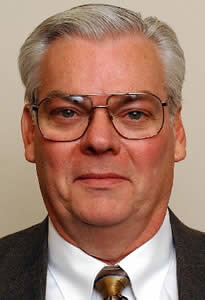 The shadow of Siegfreid looms large across Olathe.
KS-HR-38: 45R/23.4D/31U : District Map : (R) Anthony Brown was elected in 2004 after wining the Republican primary (no Democrat filed that year). In 2006, he took 56% of the vote and in ’08 nabbed 57%. Brown is now fully identified with the conservative faction in the legislature, and faces off against JCCC professor and psychologist Roberta Eveslage, This fast-growing district contains the northwesternmost edges of Johnson County along with Eudora & the fringes of Lawrence in Douglas County. While Brown is from conservative Eudora, Eveslage is from moderate Lenexa. The battleground is booming DeSoto, where well-to-do parents are concerned about school funding battles because they need to expand their schools pretty rapidly to handle the population influx. Eveslage’s laser-like focus on the issue is smart, her website is decent (http://robertaforkansas.com/) and she’s actively campaigning. Rating: Lean Republican
KS-HR-39: 42R/26D/31.4U : District Map : (R) Owen Donohoe – Elected in 2006, Donohoe has proven to be a staunch conservative, not a great fit for this moderate district, as evinced by his weak victories, 52.3% in ’06 and 51.3% in ’08. Donohoe’s up against retired school principal Joe Novak, who ran in ’08 and nearly won. Now that he’s so clearly identified with conservatives, Donohoe is going to bleed moderate Republicans, probably enough to let Novak eke out a victory this time around. He’s also BFFs with Kansas’ worst legislator, Connie O’Brien, so he obviously sucks. Rating: Tossup
KS-HR-40: 32R/35D/31.6U : District Map : (D) Melanie Meier – Our candidate here is awesome and profile-wise, fits her Fort Leavenworth-based district like a glove. Raised in a military family that eventually settled in Leavenworth, Melanie Meier was elected in 2008 (with 56%) but resigned her post to serve in Iraq. When she returned, KS Dems reappointed her to the seat she’d won. Active in her community, her husband’s also in the military, and she’s a Catholic, so it’s tough to imagine a better candidate for this district. She’d be an excellent candidate for higher office, too, perhaps the state Senate or even Congress against Lynn Jenkins. Rating: Likely Democrat
Next up, seats 40-80, including central and eastern Kansas (basically everything from Lawrence to Salina along I-70), some suburban Wichita seats, still a few more Johnson County seats, plus the Chet Edwards(es) of Kansas. Click here to read about the next 40 seats.
Photo credit for potentially the best photo ever of Arlen Siegfreid: the Olathe Republican Party.
link crashed my internet.
Thanks for doing all this work, good to see at least some local Democratic parties can field strong candidates in any environment.
arealmlc, I am a Kansas Dem who appreciates your insight and knowledge into Kansas politics. I don’t follow all these local races, it’s way too much for me. I’m glad someone is paying attention and writing about it. I’m more interested in the statewide races this year. It’s the first time in state history that five of six statewide offices are held by Democrats (Governor, Lieutenant Governor, Attorney General, Secretary of State, and State Treasurer). I remember when all six were Republicans. Seemed like that’s the way it was most of the time. I think this election is really a referendum on Kansas to see how far it has progressed. We have good candidates like Six, McKinney, and Biggs, who deserve to be elected to full-terms. If they lose to lesser-known and less-qualified Republicans, we will know that this state has not progressed.
I look forward to your future writings between now and November. Do you blog anywhere else?
that Johnson county, usually considered a citadel of moderate Republicanism in Kansas, swung to the right this year. Am i correct or no?
related to former Rep/2008 Senate candidate Jim Slattery?